



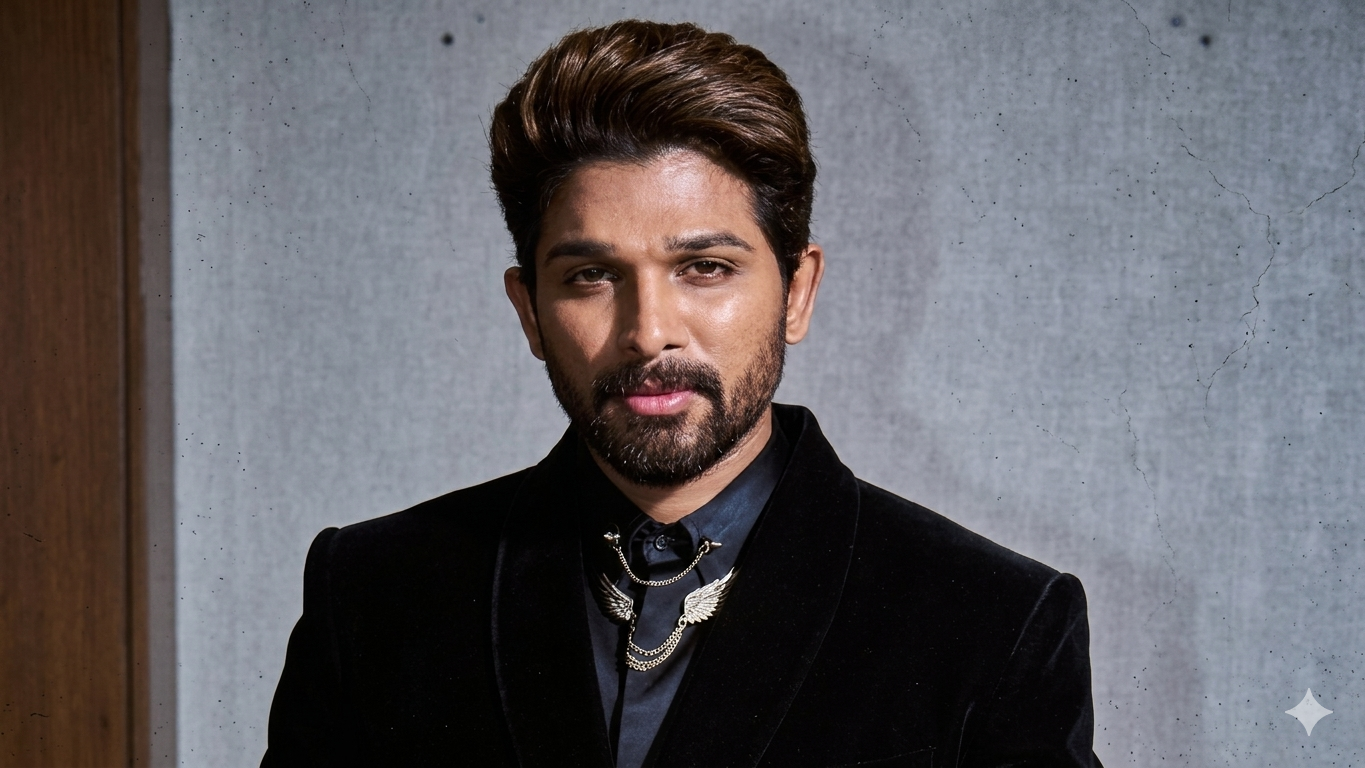
Allu Arjun has built a global fanbase and a powerful box office presence, cementing his status as one of India’s highest-paid actors. However, unlike many of his contemporaries, the National Award-winning star does not rely on a fixed fee for his films. Instead, he follows a profit-sharing model that ties his earnings directly to a movie’s success.
No Fixed Fee, Only Revenue Share
Traditionally, actors charge a predetermined salary regardless of how a film performs. But the Pushpa 2: The Rule star has taken a different route.
Allu Arjun reportedly follows a “30 paise per rupee” model—meaning he takes roughly 30% of a film’s revenue as his remuneration. Simply put, the more a film earns at the box office, the higher his payout.
For example, if a film collects ₹1,000 crore, his share could amount to ₹300 crore. If it earns ₹500 crore, his earnings would drop to around ₹150 crore. The model ensures that his income scales with the film’s performance.
Industry Perspective
Film producer and trade analyst G. Dhananjayan highlighted that there are often no upfront salary negotiations with Allu Arjun. Instead, the focus remains entirely on the film’s overall revenue potential.
According to him, this approach benefits producers as well. By avoiding hefty upfront payments, filmmakers can reduce borrowing costs, lower financial risk, and improve profitability timelines.
A Win-Win Strategy
This performance-based model aligns the actor’s incentives with the film’s success, encouraging stronger promotional efforts and audience engagement. It also makes large-scale productions more financially manageable for producers.
With his strong box office pull and growing global reach, Allu Arjun’s strategy reflects a shift toward more business-driven collaborations in Indian cinema.
What’s Next
On the work front, Allu Arjun is set to appear next in Raaka, adding to the anticipation around his future projects.
