



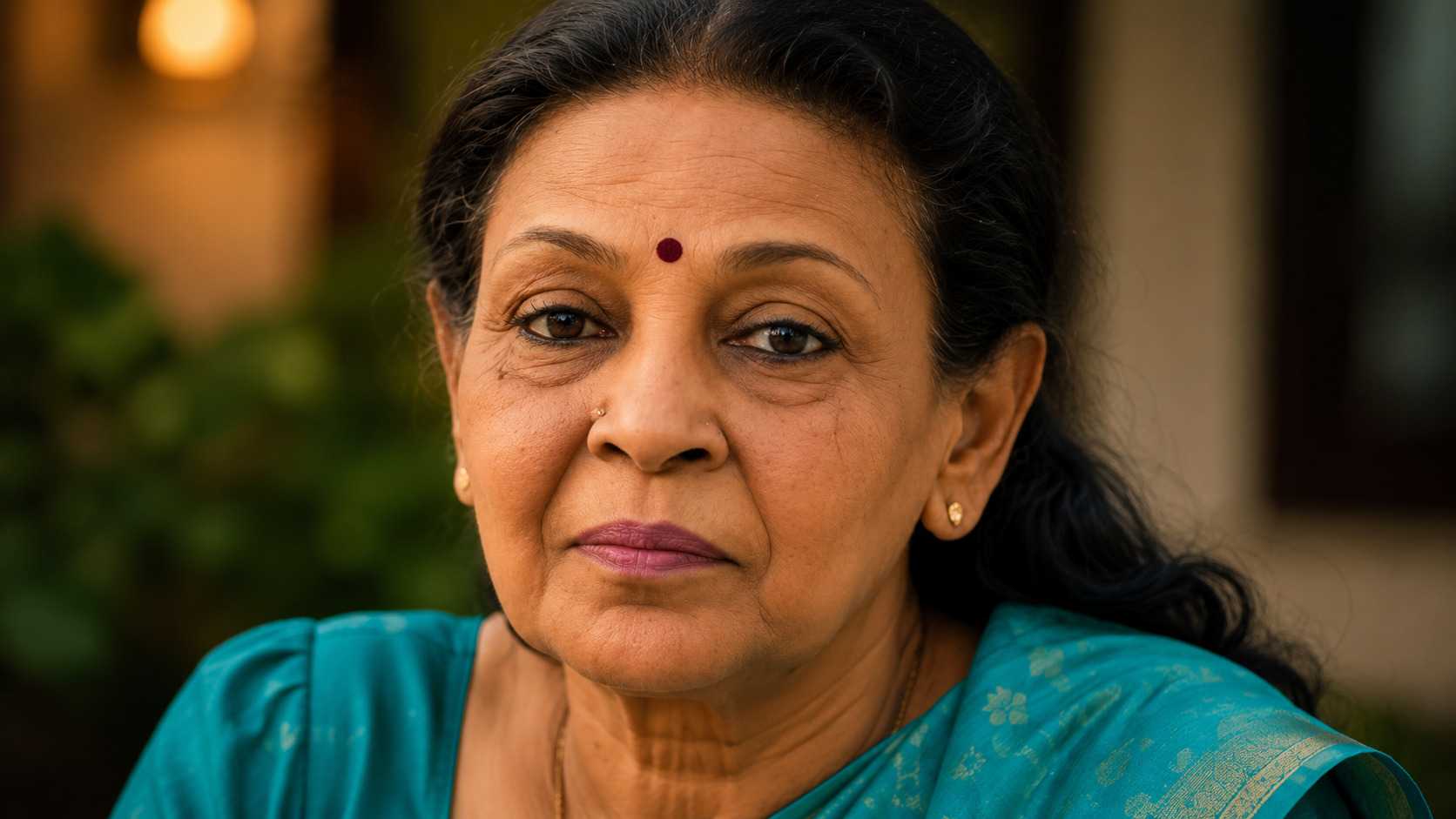
Veteran playback singer K. Jamuna Rani passed away at the age of 88 due to age-related ailments. According to The Times of India, she breathed her last at her residence in Bengaluru, leaving behind an extraordinary musical legacy that spans Tamil, Telugu, Kannada, and Malayalam cinema.
K. Jamuna Rani dies at 88
Born in Andhra Pradesh in 1938, Jamuna Rani began her playback singing journey at just seven years old with the Telugu film Tyagayya. She entered Tamil cinema with Kalyani in 1952 and soon established herself as one of South India’s most celebrated playback singers. During a career spanning several decades, she recorded over 6,000 songs in multiple regional languages.
Her unforgettable songs include Senthamizh Then Mozhiyal, Yaaradi Nee Mohini, Kungumapoove Konjum Purave, Mama Mama Mama, and Paattondru Ketten, among many other classics.
Reflecting on her career in an earlier interview, Jamuna Rani credited lyricist Kannadasan and composer K. V. Mahadevan for helping her gain recognition in Tamil cinema. She went on to work with some of the industry’s most respected music directors, including S. M. Subbaiah Naidu, S. P. Kodandapani, Brother Lakshmanan, M. B. Sreenivasan, G. Devarajan, M. S. Baburaj, Ilaiyaraaja, and several others.
In the later phase of her career, she lent her voice to songs in Kamal Haasan’s acclaimed film Nayakan and also sang for Allu Arjun‘s Varudu, composed by Mani Sharma. Apart from South Indian languages, she also recorded songs in Sinhalese.
Her final playback performance came in Mithunam (2012), directed by Tanikella Bharani. Starring S. P. Balasubrahmanyam and Lakshmi, the film featured the song Evaru Gelicharippudu, sung by Jamuna Rani.
In her later years, the veteran singer resided with her family in Bengaluru. Her last rites are scheduled to take place at Kallahalli on Thursday afternoon. Members of the film fraternity, musicians, and countless admirers have been paying tribute to the legendary artiste, celebrating her immense contribution to Indian music. Her timeless songs and remarkable body of work will continue to inspire generations and remain an integral part of South Indian cinema’s rich musical heritage.
